新闻摘要:
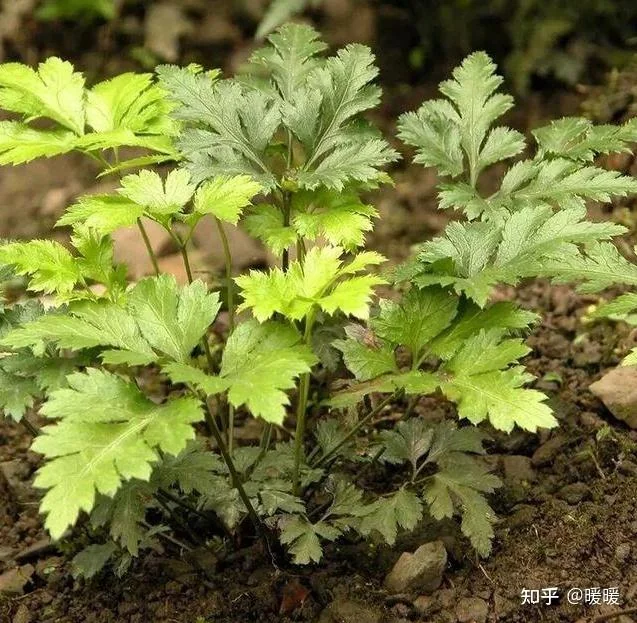
2018年元旦,云南红河金平县黄连山上一位七旬老药农连续挖走约58丛、近70株五裂黄连(Coptis quinquesecta),并带到集市上出售。五裂黄连被列为极危物种,全球野生种群不到一百株,这次事件几乎将野外种群掏空,幸亏保护区主任在集市上认出并报案,才将部分材料送往实验室保存。
这起事件暴露出多个环节的失守:科研成果停留在论文与数据库,未转化为对山脚村民的明确告知;保护区缺乏醒目标识、长期社区宣传和有效巡逻预警;农贸市场没有识别、来源核查机制。实验室通过组织培养保住了基因材料,但能否重建稳定野外种群仍无定数,物种在生态位上的丧失不可等同于仅留基因样本。
思考与启发:
这件事提醒人们,保护并不是仅靠专家写论文或偶有巡逻就能完成,更多是日常的看护、沟通和互助。对村民说清楚哪些可采、哪些不可采,把知识放在路口的牌子上、村里的告示里,或者把保护与生计替代办法结合起来,比单纯把信息锁在学术体系里更能避免悲剧。
天经里有一句朴素的话,提醒我们在小事上也要守望与忠心:若能把少量的事看守好,才能承担更多责任。把这样的常识放到山脚、集市与课堂,是最接近生活的保护之道。
经文:
《引支勒·马太卷 25:21》 主人说:“好,你这又良善又忠心的仆人;你在不多的事上有忠心,我要把许多事派你管理;可以进来享受你主人的快乐。”
链接:📖 查看经文
### English Translation
Title: The Tragedy of the Yellow‑Root Plant and the Cost of Losing Vigilance
News Summary
What happened?
On New Year’s Day 2018, a man in his seventies from Jinpin County, Yunnan Province, went up Huanglian Mountain and dug up about 58 clumps (roughly 70 individual plants) of a rare herb called five‑leaf Chinese goldthread (Coptis quinquesecta). He took the plants to a local market and tried to sell them.
Why it matters:
This herb is listed as critically endangered. Fewer than one hundred wild individuals are known worldwide. The theft almost wiped out the entire remaining wild population on the mountain.
How it was stopped:
The director of the nature reserve recognized the plants at the market, reported the incident, and some of the material was rescued and sent to a laboratory for preservation.
What the incident exposed:
- Research stayed on paper – scientists published findings, but the local villagers never received clear, practical warnings about what could or could not be harvested.
- The reserve lacked basic safeguards – there were no obvious signs, no long‑term community outreach, and patrols were not enough to warn people in time.
- The market had no check‑system – there was no way to verify where the plants came from or to flag illegal wild‑collection.
What the lab did:
Using tissue‑culture techniques, the lab saved the plant’s genetic material. Whether a stable, self‑sustaining wild population can be rebuilt is still uncertain; a species lost from its natural niche cannot be replaced simply by keeping DNA samples.
Thoughts & Lessons
Conservation isn’t just academic work or occasional patrols.
It requires everyday stewardship, clear communication, and cooperation among scientists, officials, and ordinary people.
Talk to the people who live nearby.
Explain in plain language which plants are legal to gather and which are off‑limits. Put that information on road‑side signs, village bulletin boards, and in school lessons.
Link protection with livelihoods.
Offer alternative ways for villagers to earn a living so they don’t feel forced to harvest endangered species.
Small, faithful actions matter.
When we are diligent about protecting a handful of plants, we prove that we can be trusted with far greater responsibilities. Sharing this common sense at the foot of the mountain, in the market, and in the classroom is the most practical form of “care for creation.”
Scripture
Matthew 25:21 (ESV) – “Well done, good and faithful servant. You have been faithful over a little; I will set you over much. Enter into the joy of your master.”
[Read the verse] (https://www.huizu-tianjing.icu/yinzhile/mataijuan/25)
May this story remind us that God calls us to be faithful stewards of even the smallest gifts, trusting that such faithfulness prepares us for greater work in His kingdom.
来源:https://www.zhihu.com/question/2008224898754044652